



Hangnails do not appear without a reason. They are often caused by dry skin, overly aggressive nail care, contact with detergents or the habit of picking at the skin around the nails. Nutritional deficiencies may also affect the condition of the skin, hair and nails, making the problem worse.
Find out what really helps with hangnails, how to care for your cuticles step by step and when it is worth consulting a doctor.
Remedies for hangnails – the main points to remember
Regular hand care is essential. A balanced diet rich in vitamins and minerals, including vitamin B7 (biotin), vitamin C, vitamin A, vitamin E, vitamin B12, folic acid (vitamin B9), zinc, iron and silicon, can support the health and resilience of your cuticles, nails and hair.
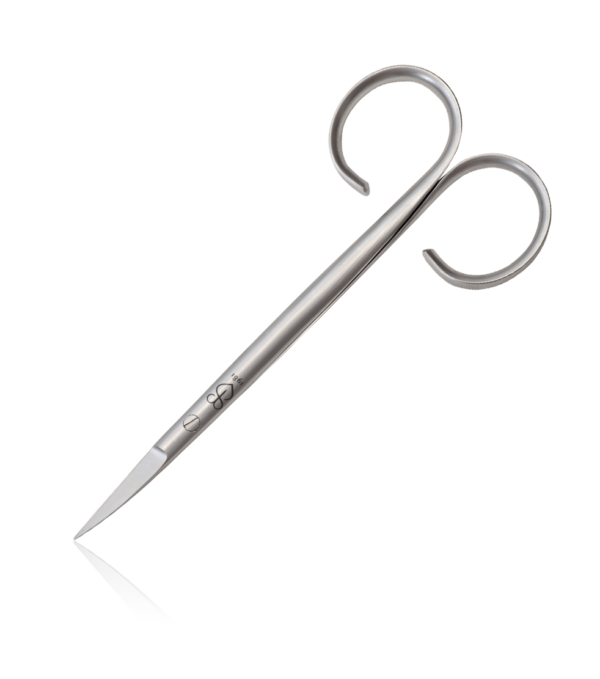
Daily moisturising is equally important. Use dedicated cuticle oils and creams, protect your hands from detergents and safely remove pieces of loose skin that could catch on clothing and cause further irritation. Sharp, precise Renomed cuticle scissors allow you to cut off a hangnail cleanly, without pulling the skin or making the damage worse.
Hangnails – vitamin deficiency or mistakes in nail care?
What causes painful hangnails? Although nutritional deficiencies can affect the overall condition of the skin, hair and nails, blaming the problem entirely on a “lack of vitamins” is often an oversimplification.
Torn skin around the nail is most commonly caused by damage to the skin’s natural hydrolipid barrier. It may result from local dryness, irritation, mechanical injury, excessive contact with water or detergents, or cutting the cuticles too deeply during a manicure.
This does not mean that diet is irrelevant. The condition of your nails and the skin on your hands may reflect your overall health, while certain nutritional deficiencies can cause symptoms such as brittle nails, splitting or changes in their appearance.
Read also: Home remedies for thick, hardened toenails – how to trim and soften a hard nail plate
Which vitamins and minerals support healthy cuticles and nails?
| Nutrient | Effect on the skin and nails | Possible effects of deficiency | Natural sources |
| Biotin – vitamin B7 | Takes part in processes involved in the synthesis of keratin, one of the main structural components of hair and nails. | A deficiency may cause brittle, splitting nails and significant hair loss. | Egg yolks, walnuts, almonds, salmon and avocados – foods naturally rich in healthy fats. |
| Vitamin C | Essential for the correct production of collagen, which supports the structure of the skin and tissues surrounding the nail. It also supports the skin’s elasticity and resistance to mechanical damage. | A deficiency may cause reduced immunity, chronic fatigue, rough skin and a tendency to bruise. | Red peppers, citrus fruits, parsley, strawberries and kiwifruit. |
| Vitamin A | Supports skin cell renewal and the correct regeneration of the epidermis. | A deficiency may increase skin dryness, cause the nail plate to become dull and contribute to cracked cuticles. | Foods rich in beta-carotene, such as carrots, sweet potatoes and pumpkin, as well as liver and butter. |
| Iron | Supports the proper oxygenation and condition of tissues, including the skin and nail matrix. | A deficiency can lead to anaemia, which may cause changes in the shape of the nails, including spoon-shaped nails, as well as cracked skin, paleness, chronic fatigue and weakness. | Red meat, beans, seeds and lentils. |
| Zinc | Takes part in skin regeneration and healing processes. | A deficiency may worsen the condition of the skin, hair and nails and slow down regeneration. | Pumpkin seeds, meat, eggs, wholegrain products, nuts and pulses. |
Do hangnails always indicate a vitamin deficiency?
When hangnails are accompanied by other symptoms, such as persistent fatigue, brittle nails, hair loss, pale skin, weakness or frequent infections, it is worth consulting a doctor and considering basic blood tests.
The condition of the cuticles and nails may indicate that the body needs additional support, but it is not enough to make a diagnosis. It is better to determine what, if anything, is actually lacking before starting supplementation.
The real causes of hangnails – what damages the skin around the nails?
When nutritional deficiencies are not the main cause, what most commonly leads to torn cuticles?
The skin on the hands is thin, easily becomes dry and is exposed every day to water, soap, hand sanitisers and detergents. As a result, it can quickly lose its elasticity and begin to crack, leading to hangnails around the nails.
The most common causes include:
- biting the nails and picking at the cuticles,
- overly aggressive manicures,
- cutting the cuticles too deeply with nippers or an electric nail drill,
- frequently washing the hands in hot water and failing to dry them thoroughly,
- excessive use of alcohol-based antibacterial gels,
- contact with detergents and cleaning products without protective gloves,
- dry air, particularly during the heating season or in summer,
- failing to moisturise the cuticles and nail plate regularly.
What helps with hangnails? Step-by-step home care
To restore a healthy appearance to your hands, introduce a gentle but consistent care routine. It should focus on softening the cuticles, protecting the hydrolipid barrier, supporting regeneration and preventing further damage.
- Soften the cuticles: Never trim or push back dry cuticles. Before cutting, filing or pushing them back, soak your hands in warm water for approximately 5–10 minutes. You can add a few drops of olive oil for additional moisturising.
This will make the skin more flexible and reduce the risk of pulling it or making the irritation worse.
- Trim precisely: Carefully cut off the softened, torn piece of skin using clean and disinfected cuticle nippers or scissors.
It is very important to use sharp beauty scissors. A blunt tool will crush, pull and tear the skin, turning a small hangnail into a painful wound. Precise Renomed cuticle scissors or nippers make it possible to remove the loose piece of skin without damaging healthy tissue.
- Moisturise and support regeneration: Dermatologists recommend applying a rich cream, an ointment containing vitamins A and E, cosmetic petroleum jelly or a dedicated cuticle oil after every nail care treatment. These products help reduce dryness, support regeneration and strengthen the skin’s natural hydrolipid barrier.
Our tip: Apply rich creams and oils to slightly damp hands. This helps the ingredients absorb more effectively and retain more moisture in the skin.
- Protect your hands every day: Always wear rubber gloves when washing dishes, cleaning with chemicals or gardening. Detergents, soil, cleaning products and frequent contact with water can severely dry out the skin around the nails.
It is also worth avoiding very hot water and harsh soaps that leave the hands feeling rough and tight.
- Be consistent: Treat hand cream like soap and use it every day, ideally after each time you wash your hands. This is when the skin is particularly likely to lose its natural protective layer and moisture.
At night, you can apply a thicker layer of ointment or oil and put on cotton gloves. This is a simple way to support more intensive regeneration of the cuticles and hands, particularly in winter and during dry summer weather.
Read the Renomed guide: How to trim your fingernails – step by step
What should you avoid when dealing with hangnails?
Above all, do not pull or bite off loose pieces of skin. This can damage living tissue, cause bleeding and create an entry point for bacteria.
You should also avoid cutting the cuticles too deeply during a manicure.
Cuticles are not there simply to interfere with the appearance of a manicure. They perform an important protective function by shielding the nail matrix and the surrounding nail fold from microorganisms.


What helps with hangnails in summer? Why can holidays damage your nails?
During summer, the hands are exposed to additional factors that can increase cuticle dryness and cracking. Heat, sunlight, chlorinated water, salt water and frequent swimming can weaken the skin’s hydrolipid barrier.
- Swimming pools and chlorine: Chlorinated water can severely dry out the epidermis by removing its natural lipids.
- Frequent swimming: Soaking the hands in the sea or a lake and then allowing them to dry in the sun leads to a loss of the skin’s natural moisture, rapid dryness and roughness. Salt water can make this effect even stronger by drawing moisture out of the skin.
- UV radiation: The sun accelerates the ageing of the skin on the hands, increases dehydration and contributes to irritation. The hands are often forgotten when sunscreen is applied, even though they are among the areas most exposed to sunlight.
Planning the perfect holiday manicure? Find out whether you can take Renomed scissors in your hand luggage on a plane.
How can you care for hangnails in summer?
After leaving a swimming pool, lake or the sea, always rinse your hands with clean water and dry them thoroughly. Before going outside, apply an SPF product not only to your face, but also to your hands.
Remember to moisturise your hands regularly and choose gentle soaps that do not disrupt the skin’s pH or leave it feeling dry and tight.
Dermatological warning – what can happen when hangnails are left untreated?
Hangnails and small wounds around the nails may lead to bacterial infections, including paronychia, an inflammation of the nail fold. People with diabetes, circulatory problems or reduced immunity should be particularly careful. Home care works well as a preventive measure and for mild dryness, but if inflammation, pus or severe pain develops, or the symptoms do not go away, consult a doctor.
