


Highly technical and demanding, yet incredibly rewarding, ice fishing is a unique way to connect with nature at its rawest.
What exactly is Ice Fishing?
This method allows you to catch fish even when lakes are locked under a thick layer of ice. The fundamental difference lies in the plane of action: instead of casting your line toward the center of the lake, you fish vertically—directly beneath your feet—through a specially prepared hole.
Fishing through an ice hole requires immense precision. In winter, fish have a slower metabolism and are less active—almost “lethargic.” They won’t chase a fast-moving lure. Success in winter depends on your knowledge of the water, your cunning, and how naturally you can present your rig in the freezing depths.
Ice Fishing: How to Start Safely
The specifics of fishing through the ice demand high situational awareness. Safety should always be your priority. Stepping onto unstable ice can be tragic, so it is crucial to follow basic guidelines and know your ice types:
- Black Ice (Transparent): This is the strongest ice. A minimum thickness of 10 cm is required to walk on it safely.
- Cloudy/Snow Ice: Significantly weaker and treacherous. Even 15 cm of this ice can be unreliable.
- Ice Safety Spikes: An absolute must-have. If the ice breaks, these allow you to grip the surface and pull yourself out of the water.
- Never Fish Alone: Especially at the beginning, head out with someone experienced. Always let your loved ones know exactly where you are and when you plan to return.
Where to Find Fish Under the Ice
Fish don’t choose their wintering spots by chance—their survival depends on it. They typically gather in:
- Deep Basins: Temperatures at the bottom are most stable here, hovering around 4°C.
- Underwater Humps: These are ideal spots for baitfish, which in turn attract larger predators like perch.
Gear for Ice Fishing – The Essentials
Ice fishing is the ultimate “minimalist” technique—perhaps why it’s gaining so much popularity among the younger generation of anglers.
Here is the basic kit you need to get started:
| Element | Description |
| Ice Rod | Short (30-50 cm), flexible, often equipped with a “spring bobber” (kiwok) on the tip. |
| Ice Auger | A tool for drilling holes in ice. Standard diameter is 110-130 mm. |
| Fishing Line | Specialized winter line that doesn’t stiffen in the cold (0.08 – 0.14 mm). |
| Ice Skimmer | A small slotted ladle to remove slush and ice from the hole. |
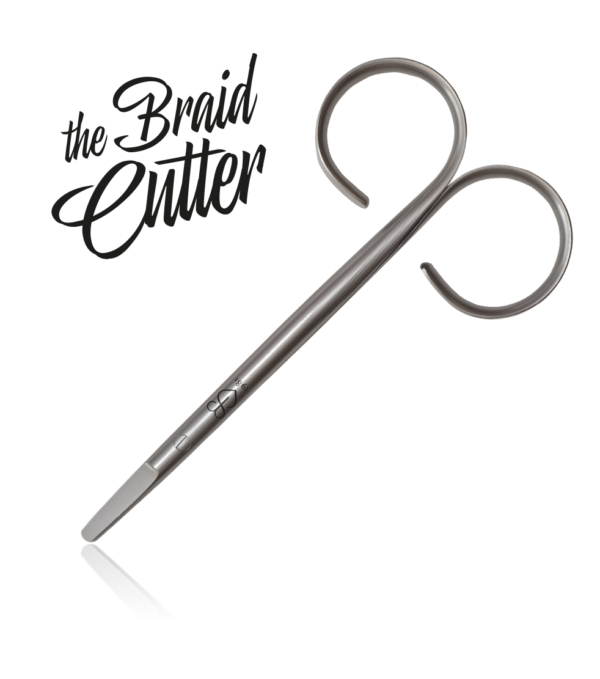
| Renomed Fishing Scissors | For thin winter lines, a clean cut is essential for rig aesthetics and successful strikes. |
Techniques of the Pro Ice Fisherman
Successful ice fishing relies on two main methods. The choice depends largely on how active the fish are on any given day.
The Mormyshka Method – For the Patient
A mormyshka is a small weighted hook designed to imitate tiny crustaceans—the staple of a fish’s natural winter diet.
- How to fish: Bait the hook with bloodworms (2-3 larvae). Lower the lure to the bottom and “play” it gently by vibrating the rod tip while slowly lifting it upward.
- Pro Tip: Winter perch often react to “bottom tapping.” Strike the mormyshka against the bed a few times to kick up a cloud of sediment—this can attract fish from a distance.
With such a fine method and ultra-thin lines (as thin as 0.08 mm), the finish of your knots is vital. Having Renomed braid and line scissors on hand allows you to trim the line with surgical precision right at the eyelet. This eliminates protruding “whiskers” that might spook fish. A clean knot means no air bubbles and a more natural lure action.
Ice Spinner – For the Seekers
This is a miniature version of summer spinning, using small metal blades that “flash” as they flutter down, catching the attention of predators.

- How to fish: Use short, energetic upward snaps and let the blades of spinner free-fall. This movement mimics a lone, disoriented baitfish—an easy meal for a predator.
- Pro Tip: If you don’t get a bite within 10-15 minutes, move. In winter, the angler must find the fish. Knowing the lake’s topography is your greatest asset.
To ensure the blades of spinner flutters perfectly without tangling, your rig must be immaculate. Renomed’s sharp, precision scissors guarantee this. A perfectly trimmed line ensures zero interference with the blades’s action, increasing its allure.
Pro Ice-Fishing Tricks for a Successful Haul
Winter fish are slow and hungry, but still exceptionally wary. Sudden light streaming through the ice hole can spook them. Experienced anglers don’t clear the hole completely; they leave a little slush on the surface to diffuse the light entering the water.
Winter Groundbait: Choose fine, low-calorie bait. The goal is to create a scent trail, not to feed the fish. Adding clay or soil to the mix prevents overfeeding the spot too quickly.
Watch the Weather: Fish are picky during sudden pressure changes. The best bites happen during stable weather. A plummeting barometer usually means empty hooks.
Ice Fishing: A School of Humility that Rewards the Patient
The moment you feel the resistance of a feisty perch on a thin line, every minute spent in the cold is forgotten. While the biting frost might test your resolve, the thrill of the catch makes it all worth it. By tomorrow morning, you’ll be ready to head back out onto the frozen expanse.
And with Renomed professional fishing scissors, you’ll never be left out in the cold… without a fish! Tight lines!
